Press Releases
- Details
- Category: Press Releases
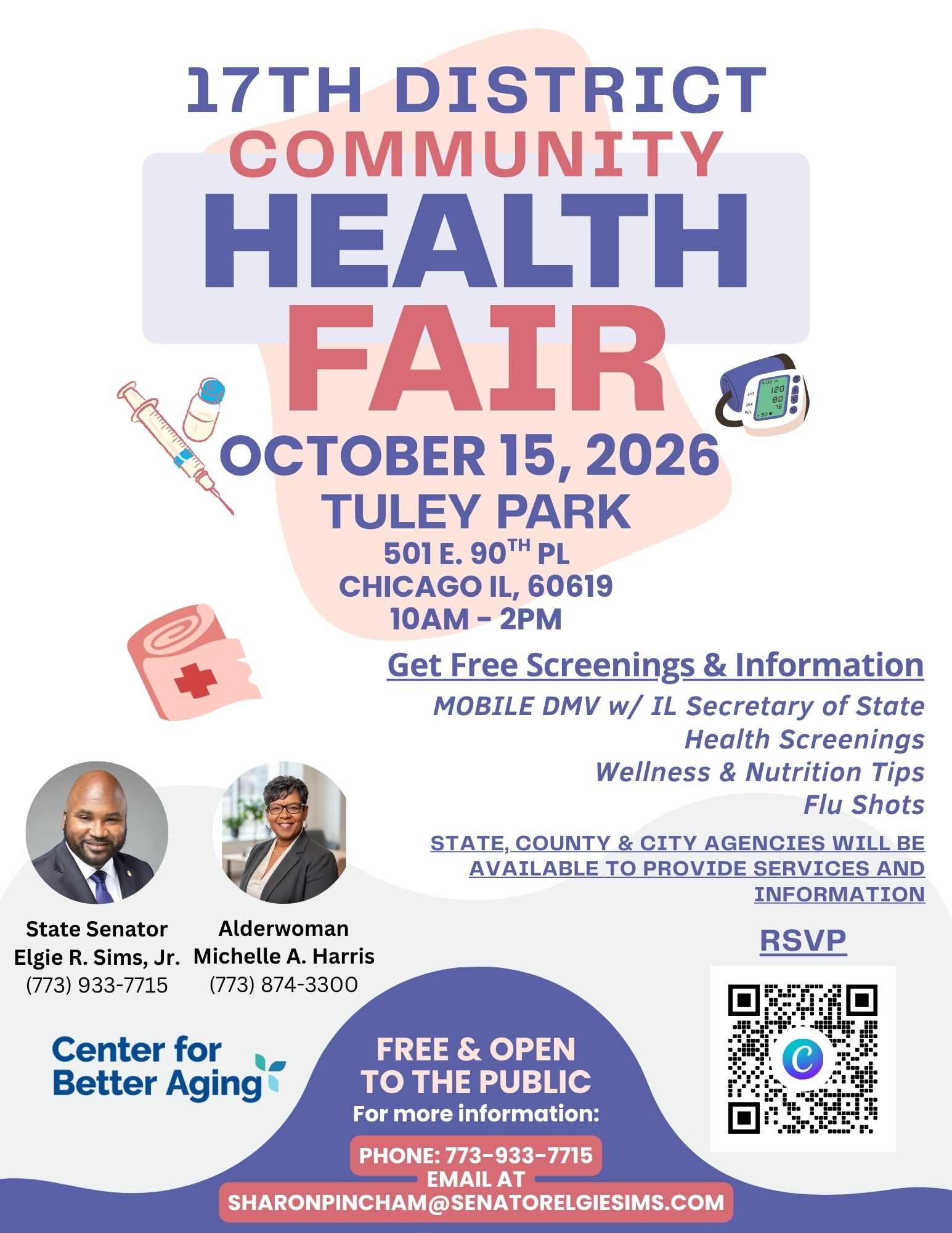

To provide residents with a one-stop shop to receive free health screenings, driver services and assistance from city, county and state agencies, State Senator Elgie R. Sims, Jr. is teaming up with Alderwoman Michelle Harris and the Center for Better Aging to host a community health fair and Mobile DMV at Tuley Park next week.
“It’s important to keep up on our health – but going to doctor after doctor can be both time consuming and expensive,” said Sims (D-Chicago). “That’s why I’m proud to offer this opportunity for community members to access a variety of free health screenings, flu shots, driver services and more.”
The 17th District community health fair and Mobile DMV will take place Thursday, Oct. 15 from 10 a.m. to 2 p.m. at Tuley Park, located at 501 E. 90th Pl. in Chicago. Attendees will have the opportunity to receive free health screenings and information, wellness tips, flu shots and more. State, local and city agencies will also be available to provide resources and information.
Mobile DMV services provided by the Illinois Secretary of State’s office will also be available on site. Drivers will have the opportunity to renew their licenses and IDs, purchase license plate stickers and more. Registration is required. Drivers can make a Mobile DMV appointment here, and all other residents can register for the community health fair here.
For more information, contact Sims’ office at 773-933-7715.
- Details
- Category: Press Releases
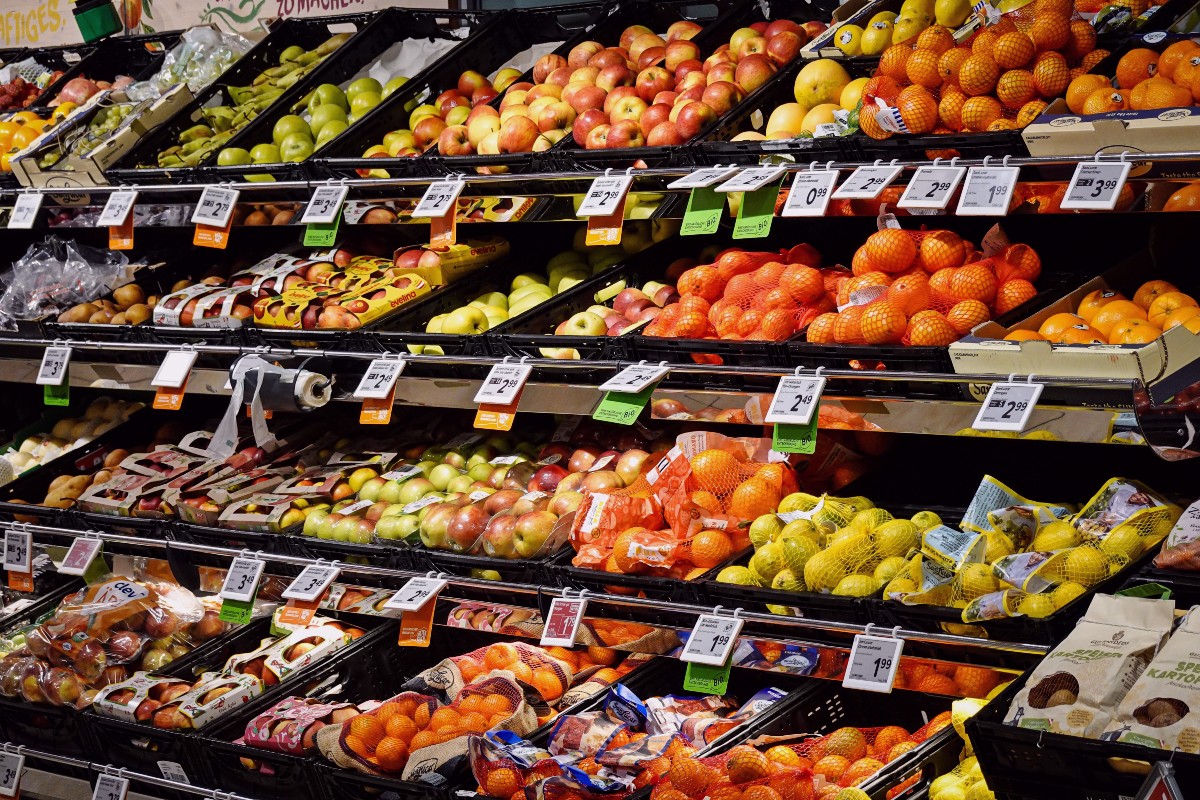 State Senator Elgie R. Sims, Jr. announced new funding is available under the Illinois Grocery Initiative through the New Stores in Food Deserts, Equipment Upgrades and Grocery Rescue grant programs – representing a $26 million effort to address food deserts and prevent grocery store closures in communities across the state.
“This funding represents a lifeline to make sure families in our state have access to healthy food close to home,” said Sims (D-Chicago). “Investing directly in the prevention and elimination of food deserts benefits families, local grocery stores and ensures Illinois continues to address hunger in the face of federal inaction.”
- Details
- Category: Press Releases
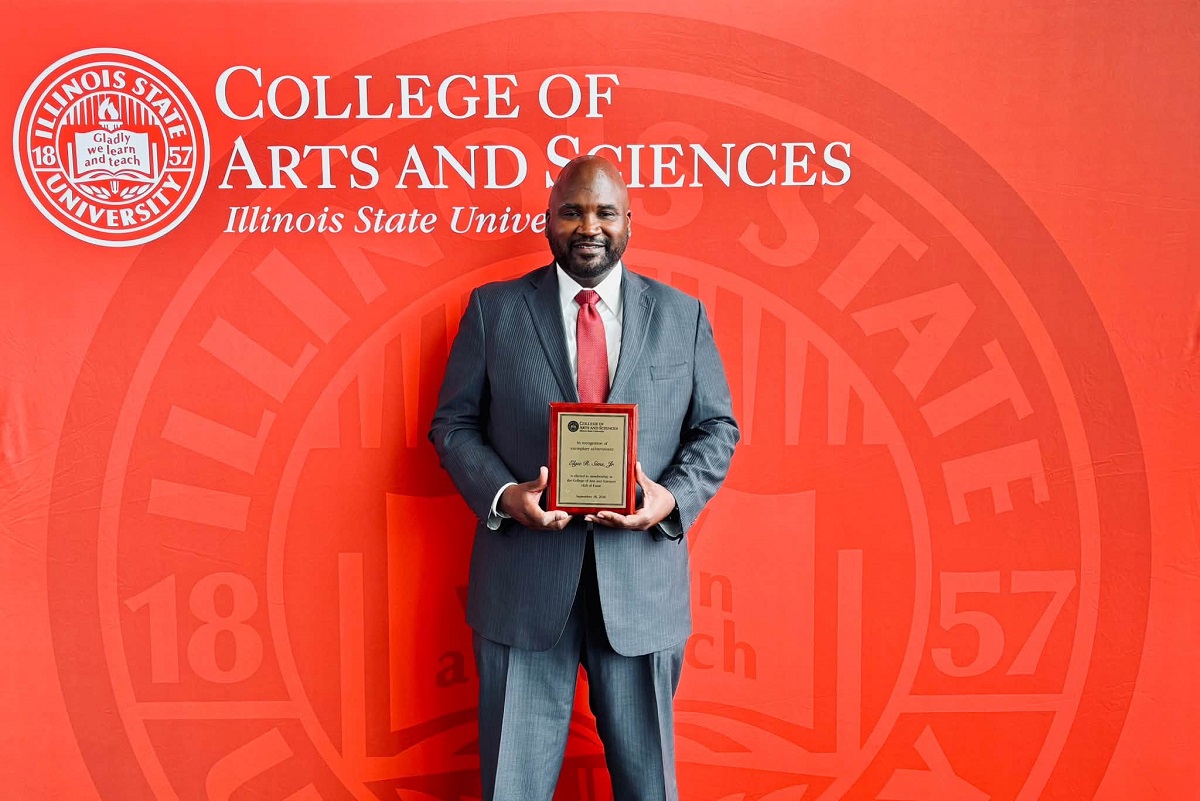 In recognition of his leadership and career in public service, State Senator Elgie R. Sims, Jr. was inducted Friday into the Illinois State University College of Arts and Sciences Hall of Fame.
“It is an honor and a privilege to join the scores of trailblazers who represent the Redbird community with pride,” said Sims (D-Chicago). “I look forward to continuing the strong partnership with our state’s public universities to promote educational excellence and academic success in the years ahead.”
The ISU College of Arts and Sciences Hall of Fame honors current and past members of the ISU Arts and Sciences community. The award recognizes outstanding professional leadership, national or international recognition, outstanding service to the institution and proof that inductees’ work is beneficial to a significant segment of society.
- Details
- Category: Press Releases
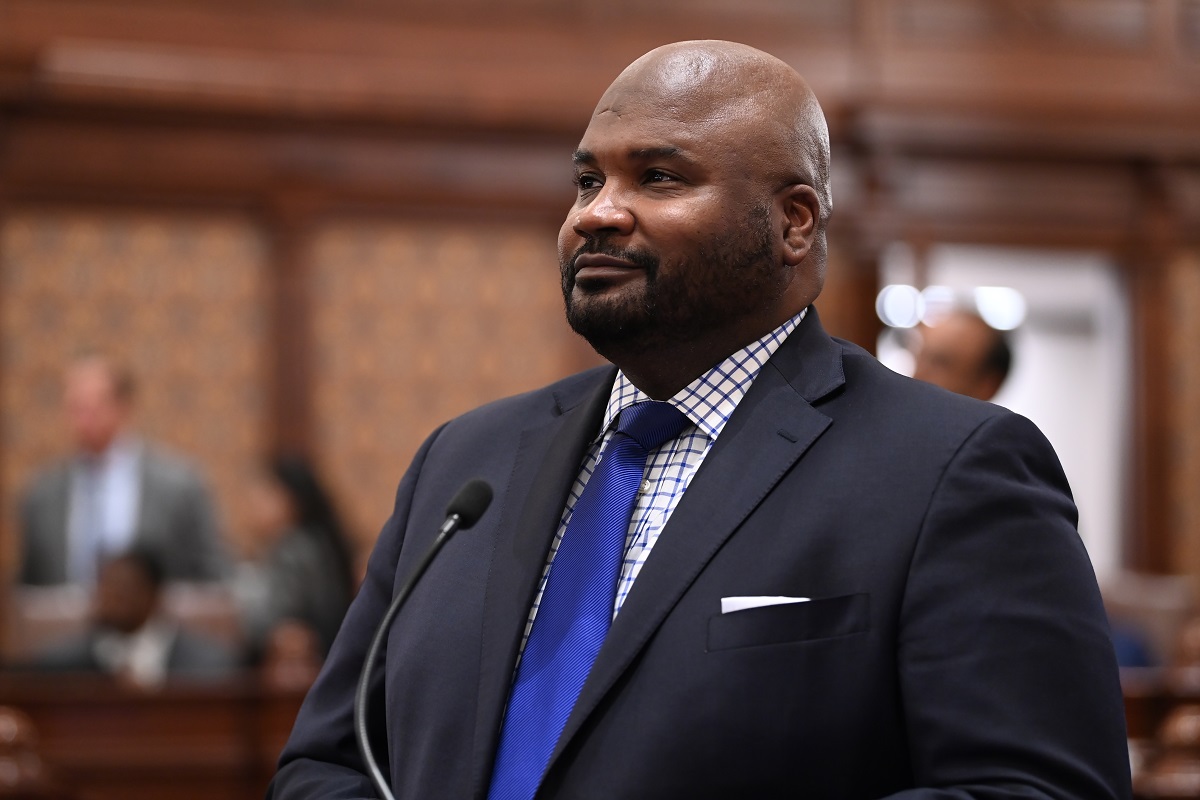 For the second time in one week, Illinois has seen another improved bond rating. S&P Global Ratings – one of the nation’s major credit rating agencies – announced a credit upgrade Tuesday thanks to the fiscally responsible decisions made by Illinois Democrats.
In response, Majority Caucus Appropriations Leader Elgie R. Sims, Jr. (D-Chicago) released the following statement:
“Today’s news confirms that years of making fiscal discipline our guiding principle are working as intended – we are helping Illinois maintain stability and make smart investments during federal uncertainty that are setting Illinois up for long-term financial success. S&P’s upgrade shows our responsible budgeting approach is paying off and is independent proof that Illinois is an excellent investment.
“When Senate President Harmon asked me to step into my role as budget leader for the Senate Democrats, I vowed to move Illinois forward and put taxpayers first. Since then, we’ve balanced eight budgets, built up our financial reserves and kept our fiscal house in order. We’ll continue our balanced approach, strengthen our fiscal outlook and prioritize every resident, no matter their background, ZIP code or socioeconomic status.”
More Articles …
Page 1 of 52



eNewsletter & Texting Alert Sign-up
Follow Sen. Sims


Office Info
Chicago Office:
8233 S. Princeton
Chicago, IL 60620
PHONE: 773.933.7715
TEXT: 773.839.4737
Springfield Office:
218 Capitol Building
Springfield, IL 62706
PHONE: 217.782.3201